
“If it doesn’t exist yet, we’ll develop it.” How Leipzig-based inotec FEG turns ideas into market-ready technologies
“You know nextbike, right?” asks Tim Kersken at the beginning of the conversation – and answers the question himself with a touch of pride. “Today, the bike-sharing system is one of the best-known bicycle rental services in Europe. We developed the entire technical system together with and for the customer,” says Tim Kersken, Managing Director of the Leipzig-based company inotec Forschungs- und Entwicklungsgesellschaft mbH.
A vision takes shape
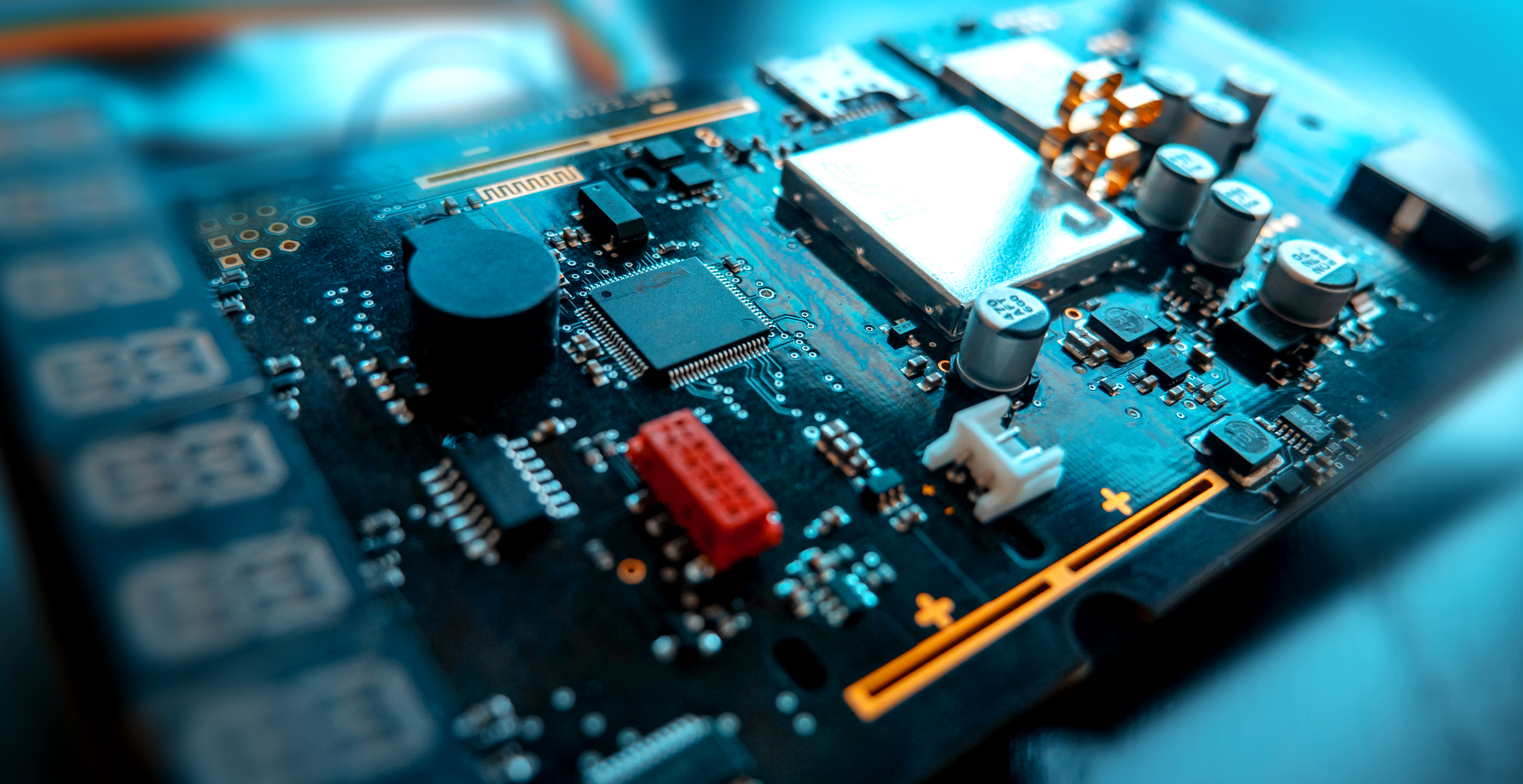
It all began with the vision of an entrepreneur: bicycles should be available for automated hire – without staff, digitally controlled and accessible across entire cities. inotec developed the technology behind the bike-sharing system – from the electronics on the bicycles to central components of the infrastructure. The earliest versions still relied on bicycle computers and fixed stations where bikes had to be collected and returned. But the system continued to evolve. The stationary pillars disappeared, and the technology gradually moved directly into the bicycles themselves. Through several iterations, a system emerged that is now in use in many cities.
Technology for the smalles patients
However, mobility solutions are only one part of the projects the Leipzig-based developers are working on. In a completely different field – medical technology – inotec is addressing a problem from neonatology: premature infants in intensive care frequently suffer from pauses in breathing. In clinical practice, this means that nursing staff must respond quickly. “As soon as a breathing pause is detected, a nurse steps in and stimulates the baby – usually by massaging the baby’s feet,” explains Kersken. inotec is currently in discussions with a partner who developed this approach in a research context. In everyday clinical practice, this can happen many times an hour. “This is extremely time-consuming and costly,” he says. “The goal is to develop a device that automates this process and thereby relieves the workload of nursing staff.
"Anything that does not yet exist, we can develop"
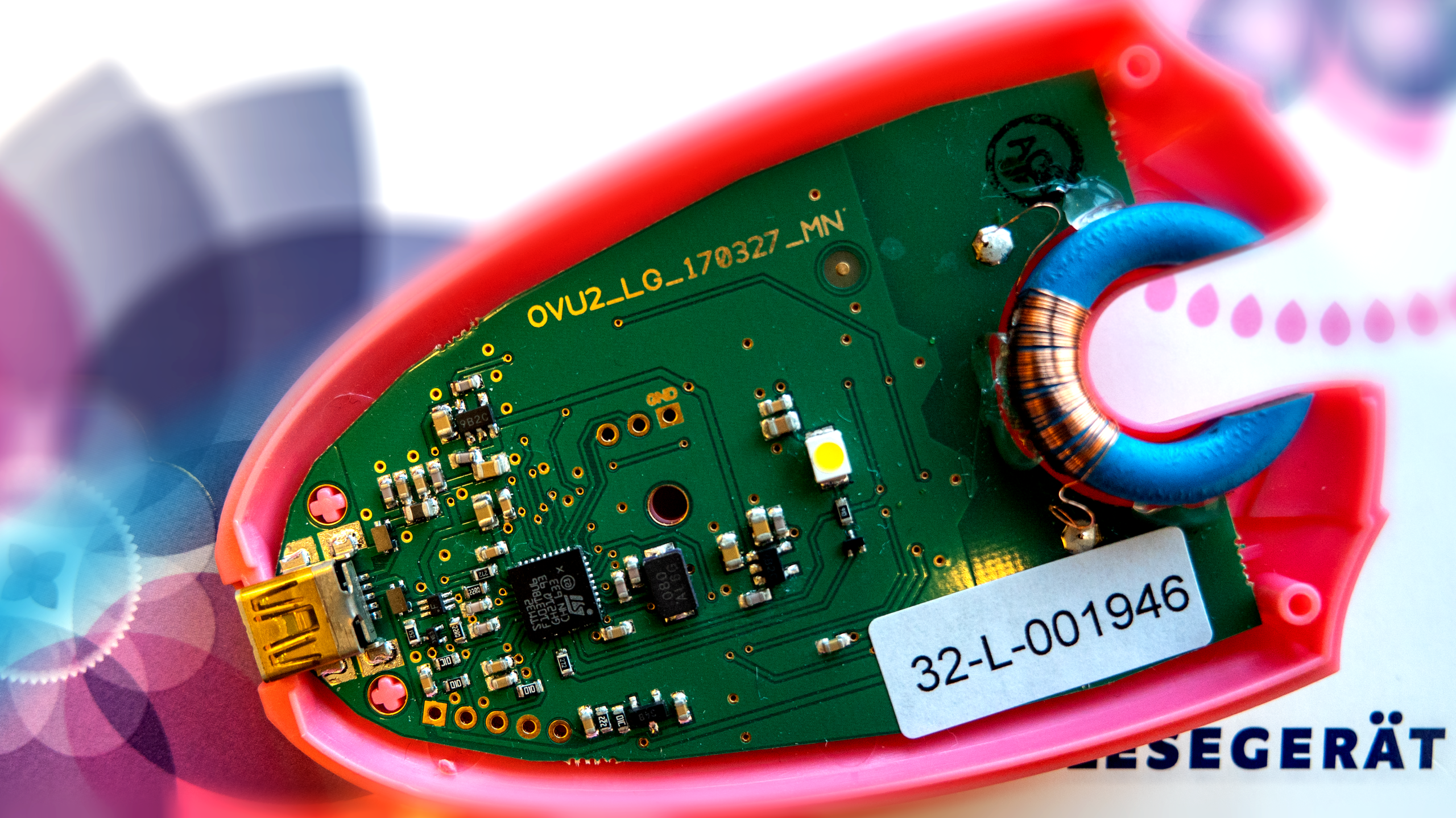
From bike-sharing systems and airport lighting systems to Web Fleet solutions and medical devices: when companies need a technical solution, they can turn to inotec FEGmbH. The Leipzig-based company develops electronic devices and components – including “AI on the edge”, software and AI systems, as well as complete technical systems for companies in industry, mobility, IoT and medical technology. “Anything that does not yet exist, we can develop,” Kersken says, describing the company’s philosophy, “anything except microelectronics such as chip development.” In many ways, inotec’s role goes far beyond that of a traditional engineering service provider. Many projects do not begin with a finished technical concept. Instead, companies typically approach the firm with a problem or a product idea. “Customers usually think they know what they need,” says Kersken. “Our first step is to understand the problem they are actually trying to solve and how their business works.”
Only on this basis does the technical solution emerge.
The team analyses the use case together with the customer, develops possible technical approaches and translates them into concrete products. The goal is not merely a functioning prototype, but a solution that works economically in the long term and can be integrated into real-world applications. “We want to create something that the customer might not even have thought of – a solution that genuinely solves the problem better,” says Kersken. “We see ourselves as a holistic partner and are always interested in long-term collaboration.”
A central element of the business model is that inotec does not only design and develop projects, but often accompanies them throughout their entire lifecycle. “We develop electronic devices and components and also manufacture them. And when a device is later in operation and requires service, we provide that as well,” explains Kersken. The work often begins with the technical conception of a product. Based on this, hardware and software architectures, electronic components, sensor solutions and the necessary system software are developed. Prototypes are then created, tested and further refined. An important step afterwards is moving the product into scalable production. Many customers remain with inotec after the development phase because the company can also support or organise industrial manufacturing. For companies, this approach offers a decisive advantage: technical responsibility remains in one place. Changes, further developments or new product versions can be implemented directly based on the existing development foundation.
In addition to industrial and IoT applications, inotec is also involved in a number of projects in the field of medical technology. New diagnostic systems and medical devices are often developed in collaboration with research institutions. The company is currently participating as a partner in the development of a point-of-care diagnostic system for endometriosis. Together with the Fraunhofer Institute IKTS in Dresden and other partners, the team is also working on a device for rapid sepsis detection based on a new analytical method. inotec can also support partners in the field of artificial intelligence. For example, the company can provide extensive training of LLMs or develop and train specialised LLMs from scratch. Fully autonomous and encapsulated ML solutions integrated into devices are also possible. “We have even been certified since summer 2025 to develop and manufacture AI solutions for medical devices,” says Kersken.
Even with a functioning prototype, development in the MedTech sector is far from complete. Before a product can actually be used, extensive regulatory requirements must be fulfilled. Approval procedures, quality management systems and medical standards all play a central role. For many start-ups and research teams, this step becomes the greatest challenge. “Many only realise along the way that they need to establish a quality management system or that their product requires regulatory approval,” explains Tim Kersken. “Here, too, we can help as a Legal Manufacturer and support companies by placing the product on the market under the MDR.”
This is where inotec’s role comes in. The Leipzig-based company not only develops electronic devices and software, but frequently accompanies projects throughout the entire product lifecycle – from technical conception and development to prototyping, production and later operation of a system. Especially in the MedTech sector, this also means considering regulatory requirements at an early stage. To achieve this, inotec collaborates with partners from the innovation ecosystem. One important partner is the Leipzig network leap:up, which supports companies with regulatory questions, quality management and the development of partnerships. The collaboration originally arose from a practical idea. Several companies faced the challenge of organising regulatory tasks and quality management efficiently. This led to a cooperation in which regulatory expertise is pooled and shared. “leap:up helps us with topics around quality management and regulation – and of course with networking,” says Kersken. In technology-driven innovation in particular, this combination can be decisive: research institutions and start-ups contribute new ideas, development partners such as inotec translate them into functioning products – and partners such as leap:up help guide these innovations through the regulatory process.
inotec is currently planning a “MedTech Electronics Co-Development Programme” to act as an incubator. Companies developing electronic medical devices or SaMD can apply through an open call. The winning project will receive co-financing, and inotec will assume the role of Legal Manufacturer. “We want to strengthen innovation and help bring it to market,” says Kersken. inotec plans to cover up to 50% of the project costs, with the remaining 50% borne by the partner company. “We are open to strong product ideas at an early stage, but existing functional prototypes or early prototypes are also welcome – the product idea is what matters. Both start-ups and established MedTech companies with specific development needs are encouraged to apply. The call is initiated together with our partner leap:up, and an independent jury of industry experts will evaluate the submissions.”